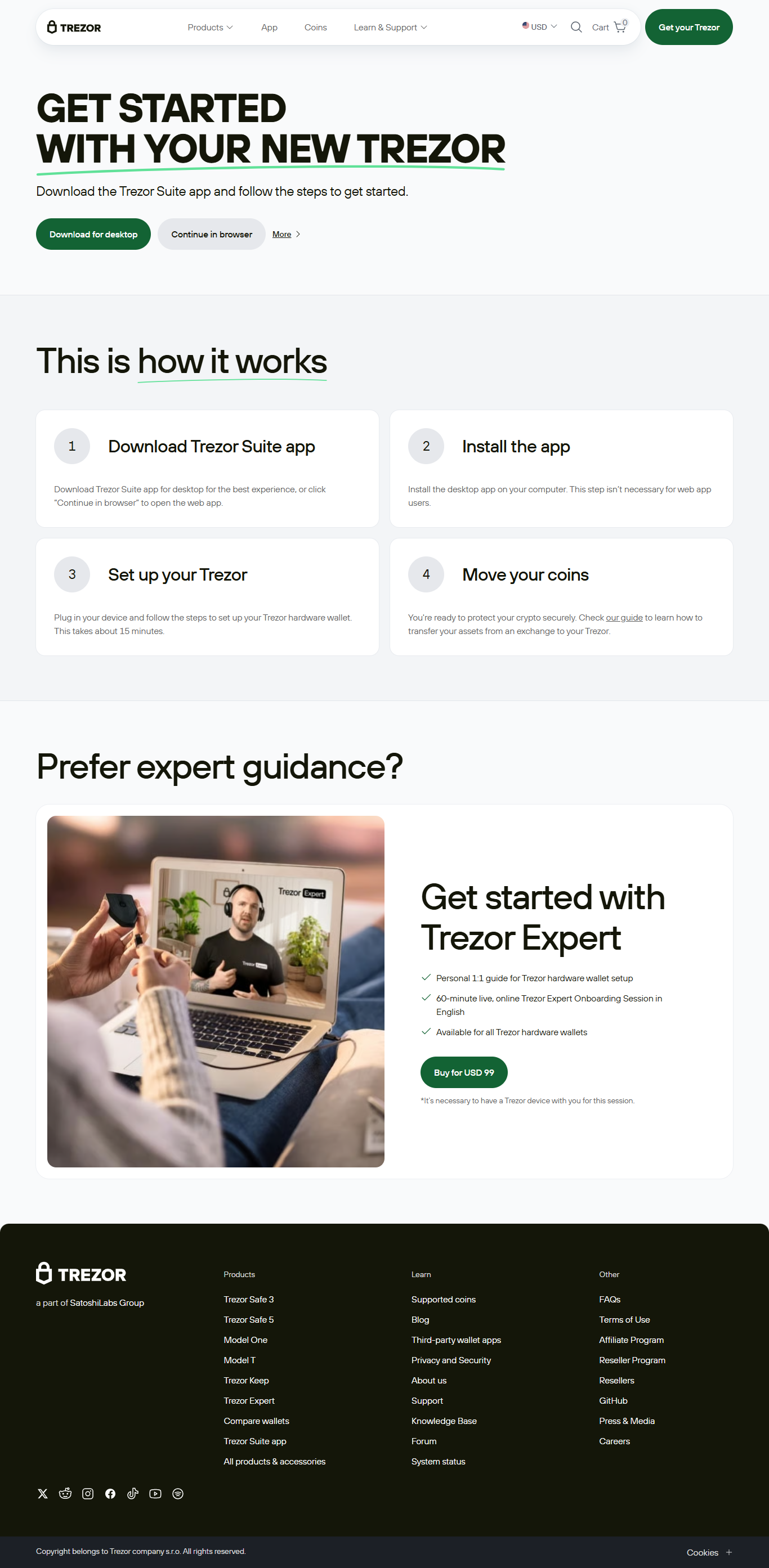
Trezor.io/start – Securely Setup Your Trezor Wallet
Cryptocurrencies are becoming an integral part of modern finance, but managing digital assets safely is essential. Cyberattacks, phishing scams, and online vulnerabilities make storing crypto on exchanges risky. Hardware wallets, like Trezor, are designed to provide the highest level of security by keeping private keys offline. To get started safely, you need the official Trezor setup guide, available at Trezor.io/start. This article provides a complete guide to securely setting up your Trezor wallet, managing cryptocurrencies, and protecting your digital assets.
What is Trezor?
Trezor is one of the world’s first and most trusted hardware wallets, created by SatoshiLabs. It provides a secure device for storing and managing cryptocurrencies offline, reducing the risk of hacks, malware, and phishing attacks. Unlike software wallets, Trezor keeps your private keys offline, ensuring that your crypto is always under your control.
Trezor supports thousands of cryptocurrencies, including Bitcoin (BTC), Ethereum (ETH), Ripple (XRP), Cardano (ADA), and many tokens built on popular blockchains. With its intuitive interface and strong security features, Trezor is suitable for beginners and experienced investors alike.
Why Use Trezor.io/start?
The official setup page, Trezor.io/start, is the safest way to begin using your Trezor device. It ensures that you download the official software, Trezor Suite, and guides you step-by-step through initializing your hardware wallet. Using unofficial sources or random tutorials can put your crypto at risk.
Trezor.io/start guarantees:
Official software download: Avoids malware or fake applications.
Step-by-step setup guidance: Easy instructions for beginners.
Secure recovery process: Ensures private keys and recovery seed are safely generated.
Safe transaction management: Full guidance on sending, receiving, and managing crypto securely.
What is Trezor Suite?
Trezor Suite is the official desktop and web application for managing your Trezor hardware wallet. It serves as the interface for:
Sending and receiving cryptocurrencies
Viewing portfolio balances
Installing updates and firmware
Managing multiple cryptocurrency accounts
Accessing privacy and security tools
Trezor Suite ensures that your private keys never leave your hardware wallet while providing a clean, intuitive interface to manage your digital assets safely.
Step-by-Step Guide to Setting Up Your Trezor Wallet
Setting up your Trezor wallet through Trezor.io/start is straightforward and secure. Here’s a complete step-by-step guide:
1. Unbox Your Trezor Device
Before you start, ensure your Trezor package is sealed and authentic. Trezor hardware wallets come with security labels, and any signs of tampering should be treated as suspicious. Only proceed with official Trezor devices purchased from authorized resellers.
2. Visit Trezor.io/start
Open your computer or mobile device and go to Trezor.io/start. This page guides you to download Trezor Suite, the official wallet software. Never download wallet software from third-party sources to avoid malware or phishing attacks.
3. Install Trezor Suite
Follow the instructions on the website to download and install Trezor Suite for your operating system (Windows, macOS, or Linux). The installation is simple, and the software will guide you through the entire setup process.
4. Connect Your Trezor Device
Once Trezor Suite is installed, connect your Trezor hardware wallet to your computer using the provided USB cable. For mobile devices, certain Trezor models support USB or Bluetooth connections. The software will detect your device automatically.
5. Initialize Your Device
Trezor Suite will ask you to initialize your device. You have two options:
Create a new wallet – Generates a new recovery seed and sets up a brand-new wallet.
Recover an existing wallet – Restore your crypto using an existing recovery seed.
For new users, select Create a new wallet.
6. Secure Your PIN
You will be prompted to set a PIN code for your Trezor device. This PIN is required every time you access your wallet. Choose a unique, hard-to-guess PIN and avoid using predictable sequences like “1234.”
7. Backup Your Recovery Seed
The recovery seed is a 12- or 24-word phrase generated by your Trezor device. It is the most important security feature, allowing you to restore your wallet if the device is lost, damaged, or stolen.
Write the words on the provided recovery card
Never store the seed digitally or online
Keep it in a secure, private location
This step is critical: anyone with access to your recovery seed can access your cryptocurrencies.
8. Confirm Your Recovery Seed
Trezor Suite will ask you to confirm a few words from your recovery seed to ensure you have written them down correctly. This prevents mistakes and ensures you can recover your wallet if needed.
9. Add Cryptocurrency Accounts
After setup, you can add cryptocurrency accounts in Trezor Suite. Select the coins you want to manage, such as Bitcoin, Ethereum, or others. The accounts will appear in your portfolio dashboard, showing balances and transaction history.
10. Start Managing Your Crypto
Now your Trezor wallet is fully set up. You can send, receive, and store cryptocurrencies securely. Every transaction is verified on your Trezor device, keeping private keys offline at all times.
Security Tips for Using Trezor Wallets
Even with Trezor’s high-security standards, following best practices is essential:
Always use Trezor.io/start for setup.
Keep your recovery seed offline and private.
Never share your PIN or seed with anyone.
Verify all transaction details on your device.
Regularly update Trezor Suite and firmware.
Be cautious of phishing websites and emails.
By following these steps, you can maximize the security of your cryptocurrencies.
Supported Cryptocurrencies
Trezor supports over 1,800 cryptocurrencies, including major coins and popular tokens:
Bitcoin (BTC)
Ethereum (ETH)
Litecoin (LTC)
Cardano (ADA)
Polkadot (DOT)
Solana (SOL)
Thousands of ERC-20 and other tokens
This wide support allows users to manage all their digital assets in one secure hardware wallet.
Benefits of Using Trezor and Trezor Suite
High Security: Private keys never leave the device.
User-Friendly Interface: Intuitive Trezor Suite makes crypto management simple.
Multi-Currency Support: Manage a diverse portfolio in one wallet.
Recovery Options: Easily restore funds with your recovery seed.
Regular Updates: Keep your device secure with firmware improvements.
Staking Support: Earn rewards on supported cryptocurrencies directly through Trezor Suite.
These benefits make Trezor a trusted choice for beginners and professional crypto users alike.
Common Questions About Trezor Setup
Q1: Can I set up Trezor on mobile devices?
Yes, Trezor Suite supports mobile devices, though some features may be limited compared to desktop.
Q2: Is Trezor.io/start free?
Yes, using Trezor.io/start and Trezor Suite is completely free.
Q3: Can I recover my wallet if I lose the device?
Yes, using your recovery seed, you can restore your wallet on any Trezor device.
Q4: Are my cryptocurrencies stored on Trezor?
No, cryptocurrencies remain on the blockchain. Trezor stores your private keys offline.
Conclusion
Setting up your Trezor wallet through Trezor.io/start ensures a secure and smooth introduction to cryptocurrency management. By following the official setup guide, installing Trezor Suite, and safeguarding your recovery seed, you gain full control over your digital assets while keeping them protected from online threats.
Trezor provides the perfect balance of security, ease of use, and multi-currency support, making it ideal for both beginners and experienced crypto investors. Begin your crypto journey today with Trezor.io/start and manage your assets safely and confidently.