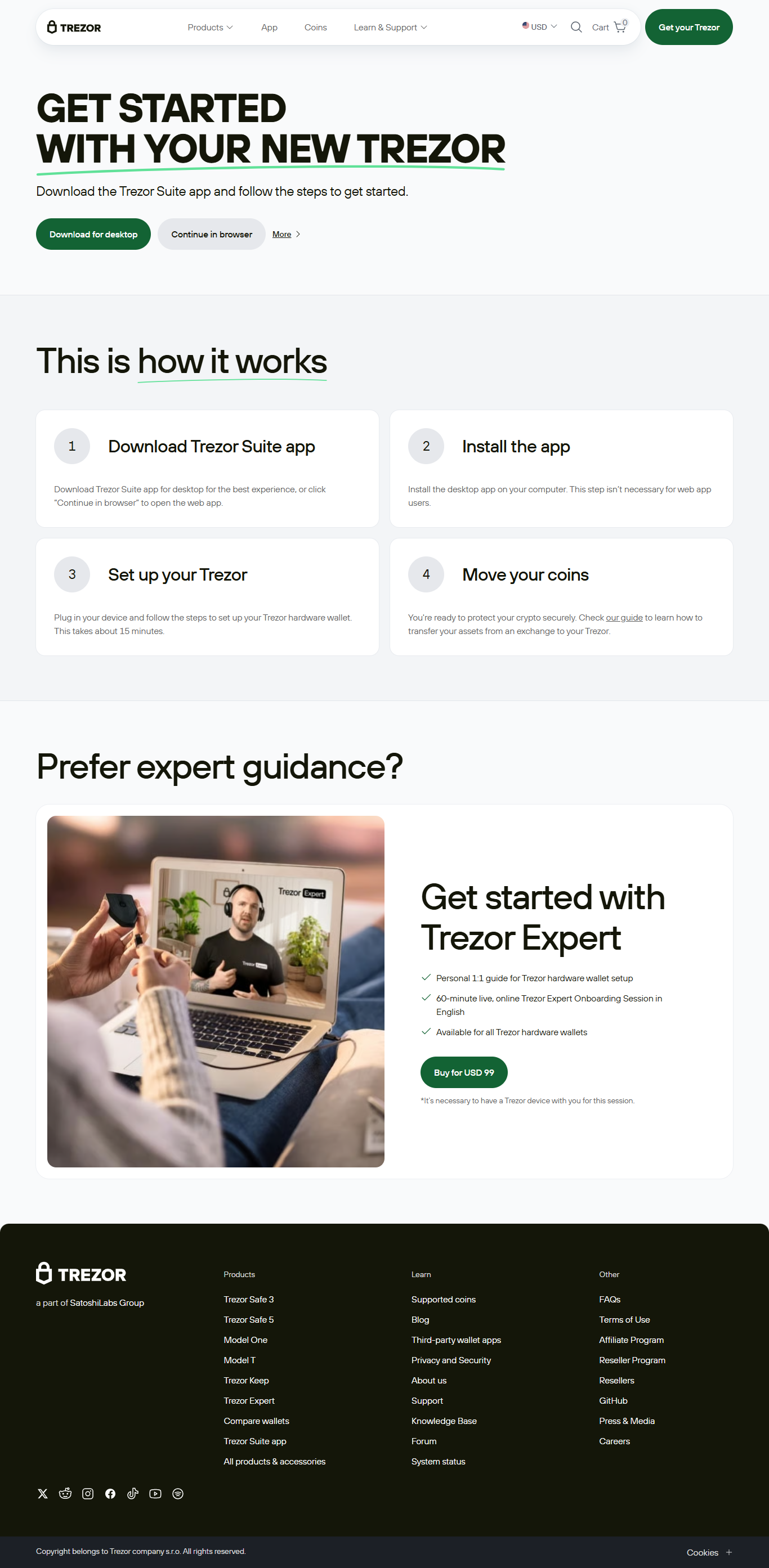
Trezor.io/start – Easy and Secure Wallet Setup
Cryptocurrency offers unprecedented opportunities for financial freedom, but with that freedom comes responsibility. Unlike traditional banking, owning cryptocurrency requires safeguarding private keys. If private keys are lost or stolen, the associated digital assets are gone permanently. For newcomers and experienced users alike, the safest way to secure crypto is with a hardware wallet.
Trezor is one of the pioneering companies in hardware wallets, providing secure, easy-to-use devices for managing cryptocurrency. To simplify onboarding, Trezor offers a dedicated guide at Trezor.io/start. This official resource walks users through every step of wallet setup—from unboxing to secure management of digital assets.
This article serves as a detailed guide for beginners and experienced users on how to set up a Trezor wallet safely and efficiently.
Why Trezor Wallets Are a Secure Choice
Trezor wallets are widely recognized for their robust security and usability. Key advantages include:
Offline private key storage: Private keys remain on the device, preventing exposure to malware and online attacks.
User-controlled funds: Only the owner can access the wallet using a recovery seed and PIN code.
Support for multiple cryptocurrencies: Trezor supports thousands of coins and tokens, including Bitcoin, Ethereum, and ERC-20 tokens.
Integration with Trezor Suite: Trezor’s official software provides a secure interface for sending, receiving, and managing crypto assets.
Open-source transparency: Trezor’s firmware and software can be audited by the community, providing extra security assurance.
Using Trezor.io/start ensures that users follow the official, secure setup method, reducing risks from phishing or counterfeit software.
Step 1: Unboxing Your Trezor Wallet
Before starting the setup, check your package carefully:
Verify packaging: Ensure the tamper-evident seals are intact.
Check included items:
Trezor hardware device (Model One or Model T)
USB cable
Recovery seed card
Keychain or lanyard
Quick start guide
Avoid using devices from unofficial sellers, as tampering could compromise wallet security.
Step 2: Visit Trezor.io/start
Go to Trezor.io/start on your computer or mobile device. This official page guides users to the correct software download and setup instructions.
From Trezor.io/start, you can:
Download Trezor Suite Desktop for Windows, macOS, or Linux
Access Trezor Suite Mobile for iOS and Android
Always confirm you are on the official site to avoid phishing scams or fake wallet software.
Step 3: Install Trezor Suite
Trezor Suite is the official interface for managing your wallet and interacting with blockchain networks securely.
Download the version compatible with your operating system.
Run the installer and follow the instructions to complete the installation.
Open Trezor Suite and connect your hardware wallet via USB.
Trezor Suite allows you to manage accounts, track portfolio balances, send and receive crypto, and even swap assets—all while keeping private keys securely stored on the device.
Step 4: Initialize Your Trezor Wallet
When first powering on the device:
Select “Create a new wallet” if using the device for the first time.
Set a PIN code to prevent unauthorized access.
Write down your recovery seed (12 or 24 words) on the provided recovery card.
Verify the recovery seed by entering the words in the correct order on the device.
Security tip: Never store your recovery seed digitally, online, or in cloud storage. Your recovery seed is the only way to restore your wallet if the device is lost, stolen, or damaged.
Step 5: Add Cryptocurrency Accounts
Trezor supports multiple accounts and cryptocurrencies. To add accounts:
Open Trezor Suite and navigate to Accounts.
Click Add Account and select the cryptocurrency.
Follow instructions to synchronize the wallet with the blockchain network.
You can add multiple accounts for the same currency to organize your funds efficiently.
Step 6: Receiving Cryptocurrency
To receive crypto:
Open the Receive tab in Trezor Suite.
Select the account to receive funds.
Verify the receiving address displayed on your Trezor device matches the address shown in the app.
Share the verified address with the sender.
Always confirm addresses on the Trezor device to prevent malware from redirecting funds.
Step 7: Sending Cryptocurrency
To send crypto securely:
Open the Send tab in Trezor Suite.
Enter the recipient’s address and the amount.
Verify transaction details on your device.
Approve the transaction physically on the hardware wallet.
This ensures private keys never leave the device, maintaining maximum security.
Step 8: Optional Advanced Security Features
Trezor wallets offer additional features to enhance security:
Passphrase-protected hidden wallets: Adds an extra layer of protection for sensitive funds.
Device PIN protection: Prevents unauthorized access if the device is lost.
Secure offline backup: Store your recovery seed in a safe, offline location.
These features ensure your digital assets remain protected from theft, loss, or unauthorized access.
Step 9: Keeping Firmware and Software Updated
Regular updates are critical for security and functionality:
Check Trezor Suite for updates and install the latest version.
Update the Trezor device firmware as prompted.
Updates often include security patches, new features, and expanded cryptocurrency support.
Step 10: Explore Trezor Suite Features
Trezor Suite offers several features for managing your cryptocurrency portfolio:
Exchange integration: Swap cryptocurrencies securely via supported partners.
Portfolio monitoring: Track the value of your holdings in real-time.
Staking (for supported assets): Stake coins directly through Trezor Suite.
Multi-device management: Connect multiple Trezor devices to manage various accounts.
These tools make it easy to maintain control of your portfolio while keeping your assets secure.
Security Best Practices
For long-term security:
Only use Trezor Suite downloaded from Trezor.io/start.
Never share your PIN or recovery seed.
Keep recovery seeds offline in a secure location.
Update firmware and software regularly.
Avoid using public or shared computers for wallet access.
Following these practices minimizes the risk of theft, loss, or exposure to malware.
Trezor Wallet vs Other Wallets
Trezor hardware wallets combined with Trezor Suite offer superior security compared to hot wallets or exchange wallets:
FeatureTrezor WalletHot WalletsExchange WalletsPrivate key ownershipYesPartialNoHardware wallet securityNativeLimitedNoMalware protectionHighLowLowOpen-source transparencyYesRareNoCustodial riskNoneMediumHigh
For beginners, Trezor provides both safety and simplicity, ensuring complete control of crypto assets.
Who Should Use Trezor Wallets
Trezor wallets are suitable for:
Crypto beginners seeking a secure start
Long-term investors and HODLers
Traders managing multiple cryptocurrencies
Privacy-conscious users
Advanced users managing multiple accounts and assets
Whether storing Bitcoin or managing a diverse portfolio, Trezor wallets scale from simple use to advanced multi-asset management.
Conclusion
Trezor.io/start – Easy and Secure Wallet Setup provides a clear, step-by-step guide for initializing and using a Trezor hardware wallet safely. From unboxing and connecting the device to creating accounts, sending and receiving cryptocurrency, and exploring Trezor Suite’s features, this guide ensures beginners start their crypto journey securely.
Using a Trezor wallet with Trezor Suite ensures that private keys remain offline while giving users a powerful, user-friendly platform to manage, track, and grow their digital assets. Whether you are new to cryptocurrency or expanding your holdings, Trezor.io/start provides the foundation for secure, confident, and efficient wallet management.